
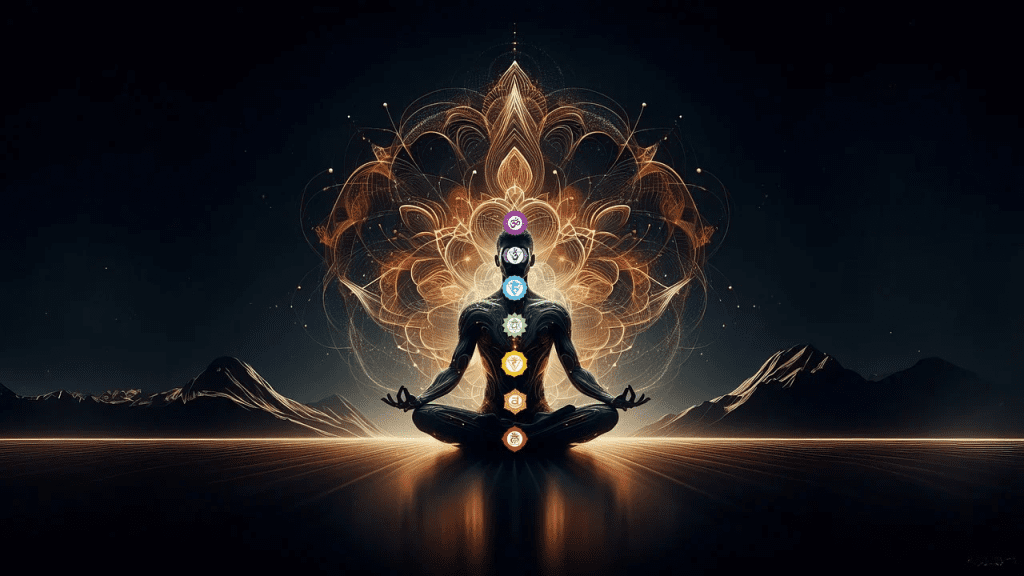

Maha Shivratri 2025:
Maha Shivratri, meaning “The Great Night of Shiva,” is one of the most significant Hindu festivals dedicated to Lord Shiva. It is observed on the 14th day of Krishna Paksha (waning moon) in the month of Phalgun (February-March). This sacred night symbolizes the victory over darkness and ignorance, encouraging spiritual awakening, devotion, and self-reflection.
In 2025, Maha Shivratri will be observed on Wednesday, February 26, with Nishita Kaal Puja (midnight worship) taking place from 12:09 AM to 12:59 AM on February 27.
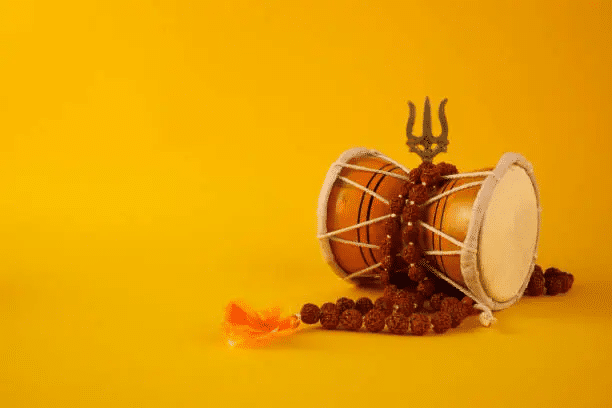
The Significance of Maha Shivratri
Maha Shivratri is celebrated by millions across India and worldwide. According to Shaivism, on this divine night, Lord Shiva performed the Ananda Tandava (blissful cosmic dance), symbolizing the eternal cycles of creation, preservation, and destruction. The festival also marks the divine marriage of Lord Shiva and Goddess Parvati, representing the balance of cosmic energies.
Devotees observe strict fasting, night-long vigils, and continuous chanting of “Om Namah Shivaya” to seek Lord Shiva’s divine blessings and spiritual purification.
Statue Of Belief :
https://dreamzandexperiences.com/2023/12/09/the-statue-of-belief-or-vishwas-swaroopam/

Blog On Sawan Somwar :
https://dreamzandexperiences.com/2023/07/10/the-epic-sawan-somwar-a-beautiful-story/
Exotic Legends of Maha Shivratri
Several fascinating legends are associated with Maha Shivratri, passed down for generations. Let’s explore some of these captivating tales.
1. The Origin of the Shiva Linga
According to Hindu scriptures, Lord Vishnu and Lord Brahma once engaged in a fierce battle over supremacy. To prevent the destruction of creation, the celestial deities (Devtas) pleaded with Lord Shiva for intervention.
In response, Shiva manifested as an infinite pillar of light, absorbing their powerful weapons. Lord Brahma and Lord Vishnu sought its beginning and end but failed, realizing Shiva’s boundless divinity. This divine column of light became the first Shiva Linga, appearing on the 14th day of Krishna Paksha in Phalgun, now celebrated as Maha Shivratri.
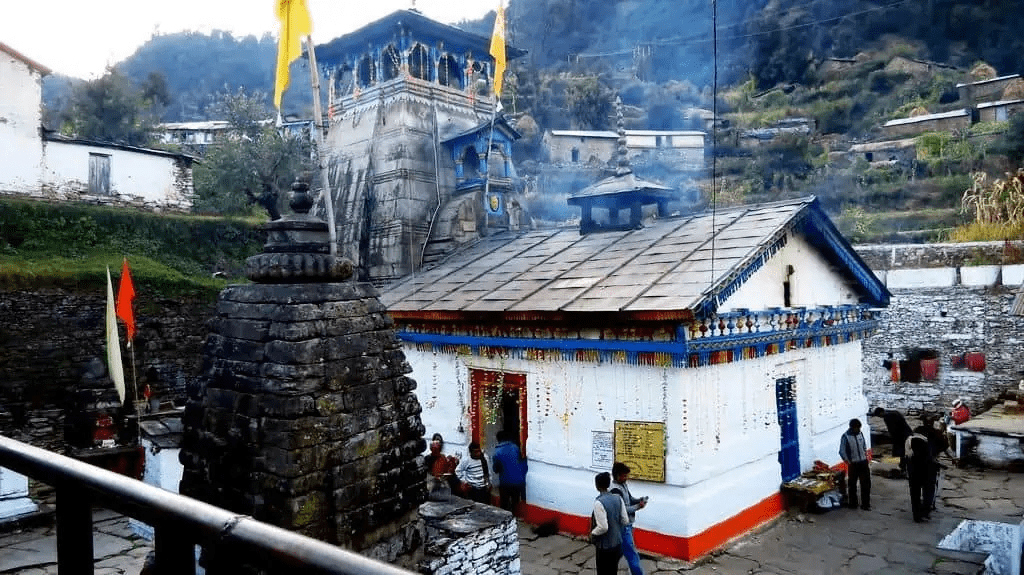
2. The Wedding of Lord Shiva and Goddess Parvati
A significant legend states that Maha Shivratri marks the sacred wedding of Lord Shiva and Goddess Parvati. The divine wedding took place at the Triyuginarayan Temple in Uttarakhand, where a perpetual fire (Akhand Dhuni) still burns since that time.
In this celestial union:
- Lord Vishnu played the role of Goddess Parvati’s brother.
- Lord Brahma solemnized the wedding.
- The divine event signifies the merging of Shiva (consciousness) and Shakti (energy), balancing cosmic harmony.

3. The Blissful Cosmic Dance – Ananda Tandava
It is believed that on Maha Shivratri, Lord Shiva performed the Ananda Tandava, the dance of bliss, which represents the rhythmic flow of the universe. According to spiritual teachings:
“When one transcends material attachments and attains deep spiritual enlightenment, they can experience the divine dance of Shiva happening ceaselessly.” – Sri Sri Ravi Shankar
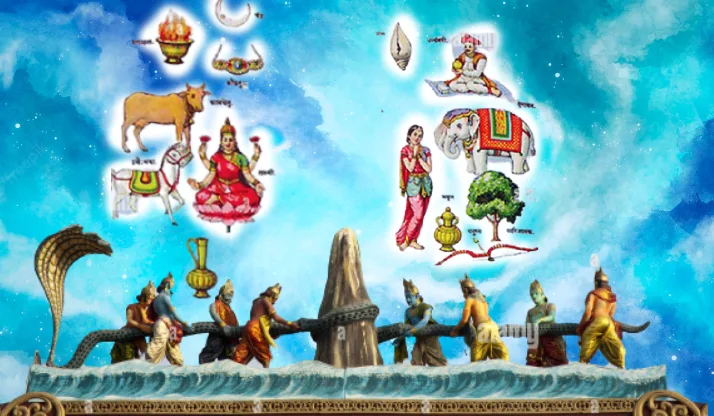
4. Samudra Manthan: The Blue-Throated Lord (Neelkanth)
During the cosmic churning of the ocean (Samudra Manthan), a deadly poison called Halahala emerged, threatening the existence of all beings. To save the universe, Lord Shiva consumed the poison, which turned his throat blue, earning him the name Neelkanth.
This act of self-sacrifice, believed to have occurred on Maha Shivratri, represents Shiva’s immense compassion and his role as the ultimate protector.
5. The Hunter and Bilva Leaves
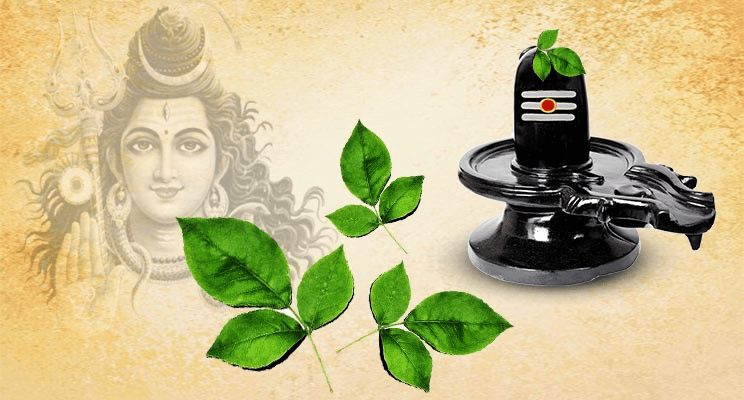
A lesser-known legend tells the story of a hunter pursued by a lion. Seeking refuge atop a Bilva tree, the hunter unknowingly dropped its leaves onto a Shiva Linga (which was below the tree).
Since it was Maha Shivratri, Lord Shiva appeared before him, absolving his sins and guiding him toward a righteous path. This legend highlights the importance of offering Bilva leaves to Shiva on this auspicious night.
Sacred Rituals & Traditions
Devotees observe Maha Shivratri with great devotion through various rituals:
1. Fasting (Upvas)
- Many devotees observe a strict fast, consuming only fruits, milk, and sattvik food.
- Some follow nirjala vrat (without water), symbolizing self-discipline and devotion.
2. Worship & Offerings
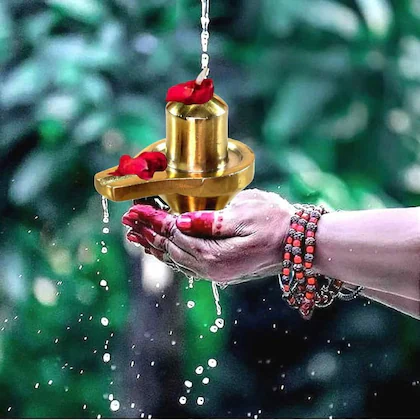
- Devotees visit Shiva temples and perform Abhishekam (ritual bathing) of the Shiva Linga with:
- Milk (purity)
- Honey (sweetness of life)
- Ghee (nourishment)
- Water (cleansing of sins)
- Bael (Bilva) leaves (divine offering)
- Sacred mantras like “Om Namah Shivaya” are chanted throughout the day and night.
3. Jagran (Night Vigil)
- Devotees stay awake all night, engaging in bhajans, kirtans, and recitations of Shiva scriptures.
- This symbolizes overcoming ignorance and attaining spiritual enlightenment.
4. Grand Temple Celebrations
- Major Shiva temples, such as Kashi Vishwanath (Varanasi), Somnath (Gujarat), Kedarnath (Uttarakhand), and Pashupatinath (Nepal), host spectacular processions and ceremonies.
- Special Rudrabhishek Puja is performed for divine blessings and wish fulfillment.
Spiritual Benefits of Observing Maha Shivratri
Maha Shivratri is more than a festival; it is a night of divine transformation. Observing the rituals and meditating on Lord Shiva’s presence can lead to:
✔ Purification of mind, body, and soul
✔ Spiritual enlightenment and self-realization
✔ Liberation from past sins and karmic cycles
✔ Strengthening of willpower and discipline
✔ Inner peace and divine bliss
7 Colour Codes For 7 Days Of The Week :
https://dreamzandexperiences.com/2021/12/16/colour-codes-for-7-days/
In Conclusion: A Night of Devotion & Divine Blessings
Maha Shivratri is a powerful spiritual festival that transcends religious rituals. It is a night of self-discovery, devotion, and divine grace, reminding us of Lord Shiva’s infinite wisdom and boundless compassion.
As we celebrate Maha Shivratri 2025 on February 26, let us embrace its essence by: ✅ Fasting and meditating
✅ Chanting Shiva mantras
✅ Offering prayers with sincerity
✅ Seeking blessings for a prosperous and enlightened life
May Lord Shiva’s blessings guide us toward peace, strength, and spiritual awakening.
Har Har Mahadev! 🙏✨
FAQs on Maha Shivratri
Q1: Can everyone observe Maha Shivratri fast?
A: Yes, anyone can observe the fast, but those with health conditions should consult a doctor before attempting nirjala vrat.
Q2: Why is staying awake on Maha Shivratri important?
A: Jagran symbolizes overcoming darkness (ignorance) and moving toward spiritual enlightenment.
Q3: What foods can be eaten during Maha Shivratri fast?
A: Fruits, milk, nuts, honey, and sattvik foods like sabudana khichdi, kuttu (buckwheat) flour dishes, and makhana (fox nuts).
Q4: What is the best mantra to chant on Maha Shivratri?
A: “Om Namah Shivaya” is the most powerful mantra for devotion and spiritual growth.
“Om Namah Shivaya”
Gratitude and Connection
As I conclude, I extend my heartfelt gratitude for your unwavering support.
I am Sapana Shrotriya, a passionate blog writer @dreamzandexperiences, and a dedicated “Tarot Reader”.
Your support fuels my motivation to continue writing and sharing insights.
Like, Share and Subscribe @dreamzandexperiences
Instagram :
https://instagram.com/dreamzandexperiences?igshid=MzNlNGNkZWQ4Mg==
Facebook :
https://www.facebook.com/dreamzandexperiences
https://youtube.com/@dream_with_tarot
Blog Site :
https://dreamzandexperiences.com
Discover more from Dreamz & Experiences
Subscribe to get the latest posts sent to your email.